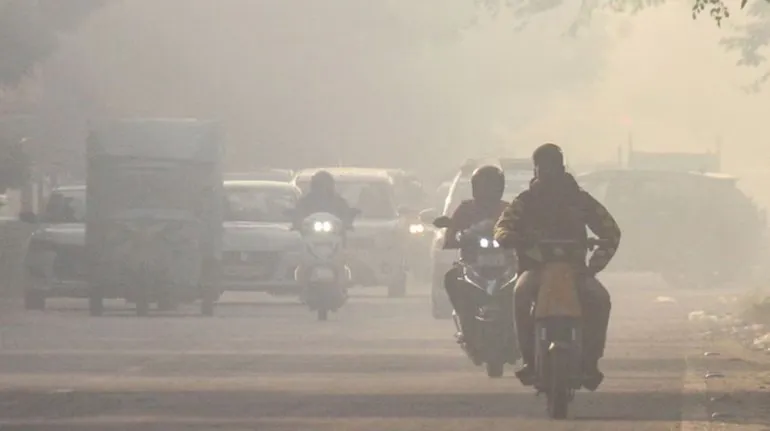
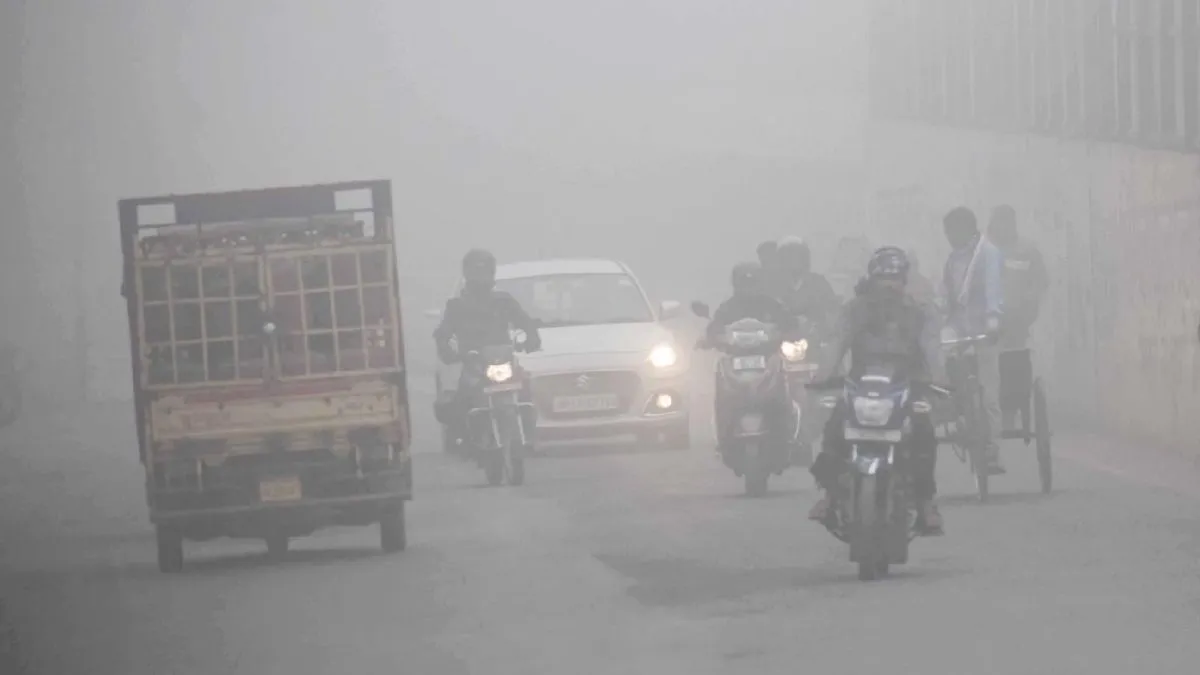
Delhi-NCR is witnessing another alarming rise in air pollution, with several parts of the national capital recording extremely poor to severe air quality. Light fog and smog covered many areas during the early morning hours, reducing visibility and creating an uncomfortable atmosphere. The Air Quality Index (AQI) crossed the 400 mark at multiple monitoring stations, raising concerns about public health. Children, elderly residents and people suffering from respiratory problems are particularly vulnerable to the deteriorating conditions. Changing weather patterns, low wind speeds and the accumulation of pollutants are making it increasingly difficult for the city to get relief from toxic air.
Several Delhi Areas Record AQI Above 400, Pollution Remains Severe
The seriousness of the situation was evident from pollution readings recorded at various monitoring stations. On Wednesday evening, IIT Delhi reported an AQI of 455, while Jahangirpuri recorded 449 and Punjabi Bagh registered 446. Other heavily polluted locations included Mundka at 439, Vivek Vihar at 436, Rohini at 432, Alipur and Narela at 429, and ITO at 414. The situation was equally concerning in neighbouring cities, with Sector 62 in Noida recording an AQI of 425. These readings indicate that toxic air is affecting not only Delhi but also several parts of the wider National Capital Region.
Stubble Burning and Weather Conditions Add to Pollution Woes
Several factors are contributing to the deteriorating air quality in Delhi. Apart from vehicular emissions, industrial activities, construction dust and other local pollution sources, stubble burning in neighbouring states is also adding to the problem. According to data from the Indian Institute of Tropical Meteorology (IITM), stubble burning accounted for approximately 16.28 per cent of Delhi's PM2.5 pollution on Wednesday. Low wind speeds and unfavourable weather conditions are preventing pollutants from dispersing, allowing harmful particles to remain concentrated near the ground. This is contributing to the thick layer of smog visible across different parts of the capital.
Air Quality May Deteriorate Further Over the Next Few Days
Forecasts from the Air Quality Early Warning System indicate that Delhi's air quality is likely to remain in the very poor category on November 5. Conditions could deteriorate further, with the AQI potentially entering the severe category on November 6 and 7. The possibility of continued unfavourable weather has raised concerns among residents and environmental experts. Authorities are monitoring the situation and implementing pollution-control measures, but immediate improvement remains uncertain. Residents are being advised to limit unnecessary outdoor activities, particularly during early morning and evening hours.
Health Experts Advise Residents to Take Precautions
Prolonged exposure to highly polluted air can cause breathing difficulties, throat irritation, coughing and eye discomfort. People with asthma, respiratory illnesses and heart-related conditions need to be particularly careful. Health experts recommend avoiding outdoor exercise when pollution levels are high and wearing a well-fitted mask when stepping outside becomes necessary. Keeping windows closed during periods of heavy pollution and following official air-quality advisories can also help reduce exposure. With several areas recording AQI levels above 400, Delhi residents may have to deal with another challenging spell of toxic air in the coming days.
Delhi Chokes Under Toxic Smog as AQI Crosses 400 in Several Areas; Check the Latest Pollution Update
TheFearless
5 Nov 2026 · 7:43 AM IST

Related Stories