The European Union has announced a major new round of sanctions against nearly 1,600 Russian individuals and companies allegedly connected to the country’s military-industrial sector. The measures, introduced amid the continuing Russia-Ukraine conflict, primarily target suppliers suspected of manufacturing or providing components used in drones, missiles and other military equipment. The latest move represents one of the largest single listings of Russian entities under the EU’s sanctions framework since the conflict began. European officials say the restrictions are designed to disrupt Russia’s military supply chains, limit access to critical technologies and increase economic pressure on Moscow. The package also includes measures against individuals accused of organizing or participating in elections held in Russian-occupied parts of Ukraine.
EU Targets Suppliers of Missiles, Drones and Military Technology
According to the EU, many of the targeted companies appear on a list established by the Russian government identifying businesses associated with the country’s military-industrial complex. Their inclusion on that list reportedly makes them eligible for government subsidies. European authorities argue that these companies contribute to Russia’s military capabilities by supplying essential equipment and materials. The targeted supply chains reportedly include electronics, communications equipment, radar technology, navigation systems, satellite components, missile-related systems, explosives and ammunition. Rather than focusing exclusively on major defence manufacturers, the latest sanctions also seek to restrict the activities of mid-level suppliers that provide crucial components to Russia’s wider arms production network. EU officials believe that disrupting these suppliers could make it more difficult for Russian manufacturers to maintain and expand the production of weapons used in the war against Ukraine.
Kaja Kallas Calls for Stronger Pressure on Moscow
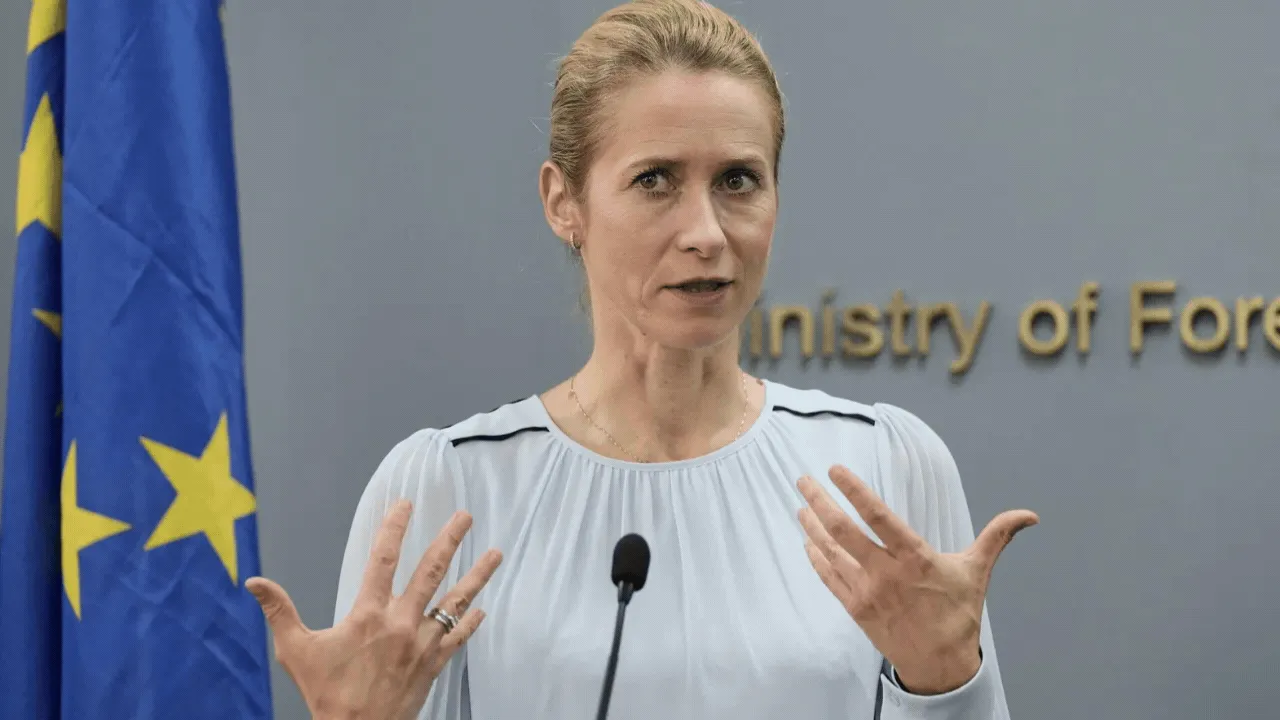
EU foreign policy chief Kaja Kallas defended the new measures, stressing that the bloc should continue increasing pressure on Russia rather than relaxing existing restrictions. She said that more than half of the newly announced listings address the production chain for ballistic missiles that Russia uses in attacks that kill Ukrainian civilians. Her remarks underline the EU’s focus on limiting Russia’s ability to manufacture and deploy advanced weapons. The sanctions package also targets 77 individuals accused of organizing, participating in or managing what European authorities describe as sham elections in occupied Ukrainian territories. These measures reflect the EU’s continued opposition to Russia’s actions in those areas and its efforts to challenge the legitimacy of political processes conducted under Russian occupation. Kallas has repeatedly argued that maintaining sanctions is essential to limiting Moscow’s resources and military capabilities.
US-Russia Diesel Deal Raises Questions Over Sanctions Policy
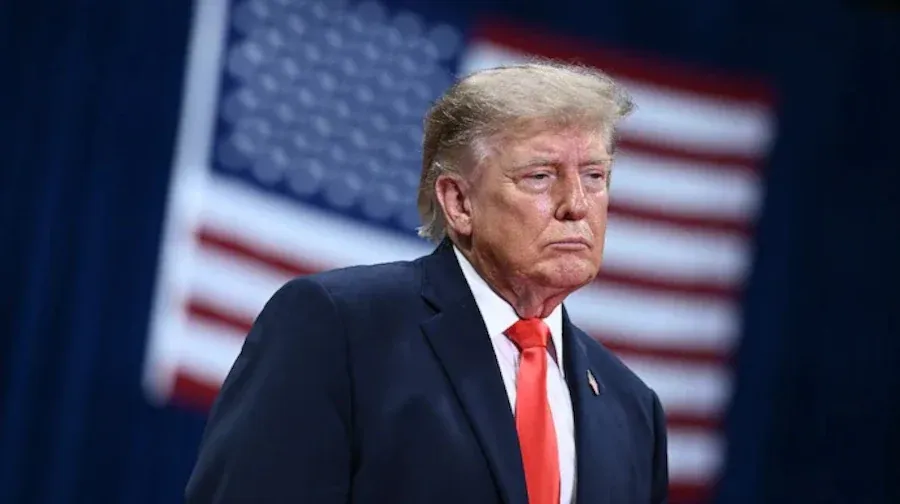
The announcement comes amid a wider international debate over energy supplies and economic restrictions on Russia. Kallas had earlier warned that suspending sanctions related to Russian diesel exports would provide Moscow with additional revenue that could help finance its war in Ukraine. Her comments followed an announcement by US President Donald Trump concerning a reported arrangement with Russian President Vladimir Putin to purchase diesel amid concerns about elevated fuel prices ahead of the US midterm elections. Under the announced arrangement, Russia was expected to supply an additional 500,000 tonnes of diesel in November, followed by another one million tonnes afterward. The US Treasury Department also reportedly eased restrictions affecting Russian diesel supplied to global markets, including the United States, through April 7 of the following year. The developments have highlighted differences over how energy-market pressures should be balanced against efforts to restrict Russian revenue.
The EU’s latest sanctions demonstrate its determination to target not only Russia’s leading defence companies but also the extensive network of suppliers supporting weapons production. By restricting access to components, technology and financial support, European officials hope to weaken Russia’s military supply chain over time. However, the broader impact will depend on how effectively the measures are enforced and whether targeted companies can find alternative suppliers or markets. The debate over Russian energy exports also illustrates the continuing challenge facing Western governments as they seek to maintain economic pressure on Moscow while responding to domestic concerns about fuel prices and supply security.
EU Imposes Sanctions on Nearly 1,600 Russian Individuals and Companies Linked to Arms Industry
TheFearless
12 Oct 2026 · 6:05 PM IST
Related Stories