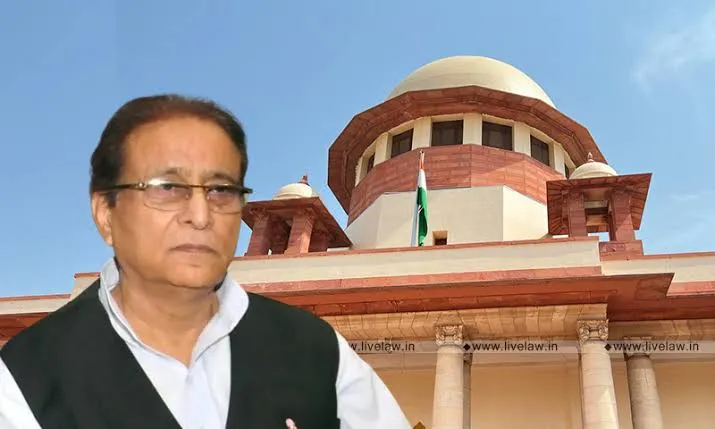
UGC Controversial Rules : The controversy over the UGC's new rules aimed at preventing caste-based discrimination in universities continues. The Central Government has now told the Supreme Court that it is considering forming a committee to review these regulations. The government said the rules would be framed in a way that leaves no student or community feeling that they could face discrimination. The Supreme Court has also stressed the need to protect the interests of all students.
What Did Government Tell Supreme Court?
During the hearing, Solicitor General Tushar Mehta, representing the Central Government, informed the court that the government was reconsidering the controversial provisions. He said the possibility of forming a committee for this purpose was being examined. The hearing took place before a bench headed by Chief Justice Surya Kant. The government assured the court that no student should feel insecure or believe that the new rules could lead to discrimination. The court granted the Centre additional time to prepare its next steps in the matter.
UGC Rules Have Faced Controversy Since January
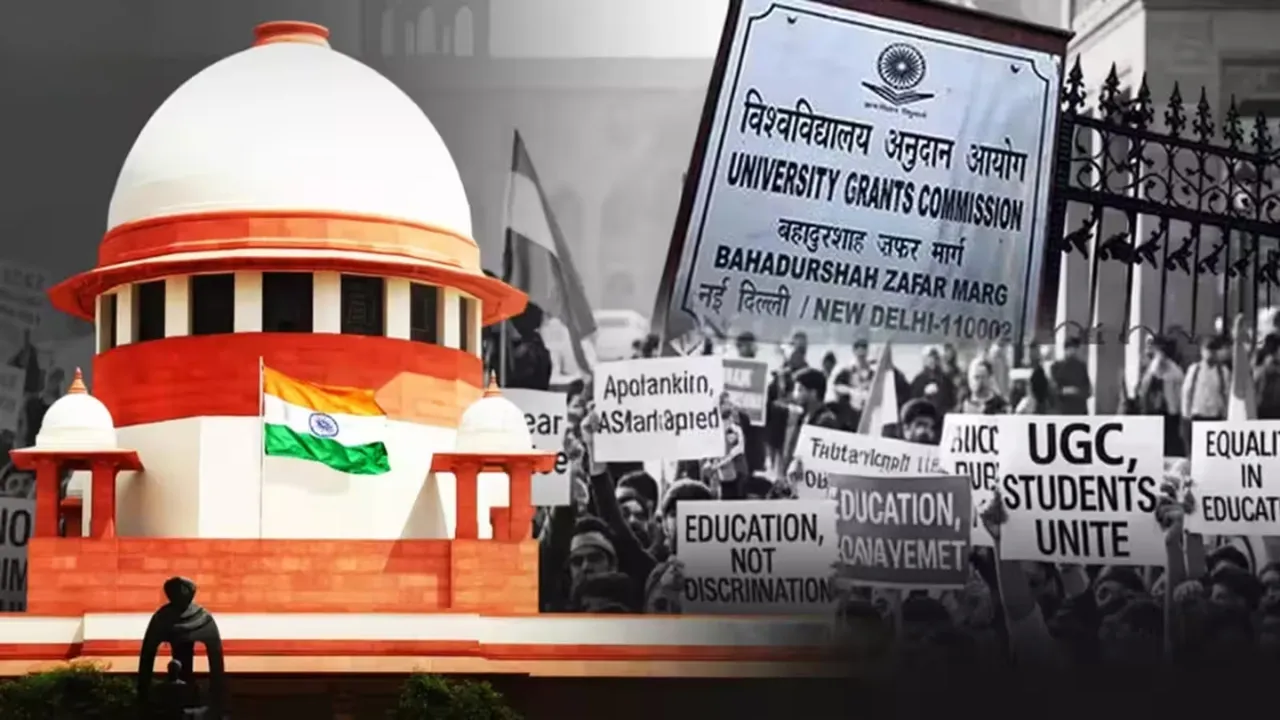
The UGC notified the new regulations on January 13, 2026, with the objective of promoting equality in higher education institutions. Their primary purpose was to prevent caste-based discrimination on campuses. However, students raised objections to certain provisions. Protests were also held in different parts of the country. As the controversy intensified, the Supreme Court imposed an interim stay on the regulations in January 2026. Hearings in the matter have continued since then.
Which Provision Of The Rules Faces Objections?
A petition filed in the case challenges Provision 3(C) of the UGC's new regulations. The petitioners have alleged that the provision is arbitrary and discriminatory. They argue that it could be used to deprive students belonging to certain communities of opportunities in higher education. The petition also claims that the provision violates fundamental rights guaranteed by the Constitution, including equality, freedom of expression and personal liberty.
Attention Now Turns To Committee Recommendations
The petitioners have also argued that the UGC regulations are contrary to the University Grants Commission Act, 1956. According to them, the provisions could undermine the objective of ensuring equal opportunities in higher education. Attention is now focused on the committee proposed by the Central Government and the review it may undertake. The Supreme Court has made it clear that the interests of every student must be protected. With the interim stay on the regulations still in place, the final decision is awaited.
Government May Reconsider Controversial UGC Rules, Assures Supreme Court Of Committee Formation
TheFearless
5 Nov 2026 · 4:12 PM IST
Related Stories