Ethanol Production India : After achieving its target of blending 20% ethanol with petrol, India is now facing the challenge of sustaining this level. Low rainfall has affected maize and sugarcane crops, pushing their prices higher. Rice and sugar prices have also increased. As a result, procuring raw materials for ethanol production is becoming increasingly expensive. The government now faces a dual challenge: continuing its petrol ethanol-blending programme while ensuring the country’s food requirements are met. This is why food security is currently being given priority.
E20 Target Achieved Ahead Of Schedule
India achieved its target of blending 20% ethanol with petrol ahead of the scheduled deadline. The primary objective of this programme is to reduce dependence on crude oil imports from other countries. Amid tensions in the Middle East and fluctuations in global oil prices, ethanol is considered an important alternative to conventional petrol. However, declining crop yields have now made it difficult to maintain the E20 target.
Low Rainfall Pushes Up Raw Material Prices
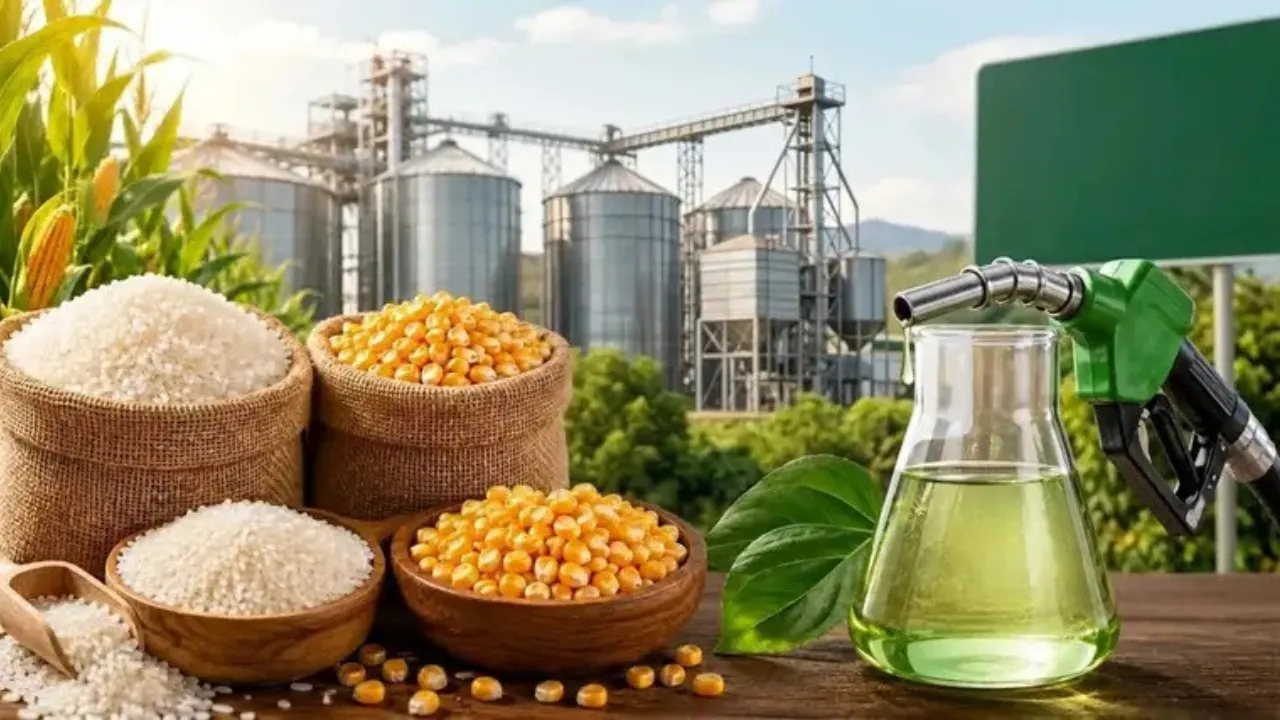
Sugarcane, maize and rice are the primary raw materials used in ethanol production. However, below-normal rainfall is expected to affect the yields of these crops. According to available information, maize and sugar prices have increased by around 40%. Meanwhile, rice used in ethanol production has become approximately 20% more expensive. This has raised concerns about higher production costs for companies manufacturing ethanol.
Food Prices May Also Face Pressure
The shortage of crops and rising prices are not limited to the ethanol industry. Reduced availability of agricultural products such as maize, rice and sugarcane could also put pressure on food prices. If large quantities of grains are used for ethanol production, their availability for food requirements could be affected. Therefore, balancing people's food needs with the country's energy requirements has become a major challenge for the government.
Major Benefits Of Blending Ethanol With Petrol
Ethanol blending offers several benefits to India. It reduces the amount of crude oil required for petrol and helps save foreign exchange that would otherwise be spent on oil imports. It also provides a market for farmers growing sugarcane and maize. Ethanol production further supports domestic industries and related businesses. This is why the government considers the programme important from the perspective of energy security.
Government Will Prioritise People's Food Requirements
With crop production declining and prices rising, food security has become the government's most important concern. Ensuring adequate grain supplies to meet people's needs is currently the priority. Therefore, efforts are being made to maintain a balance between ethanol production and food requirements. In the coming months, decisions regarding ethanol policy will depend on crop availability, market prices and production costs.
India Prioritises Food Security Over Ethanol As Rising Maize And Sugarcane Prices Raise Concerns
TheFearless
4 Nov 2026 · 2:05 PM IST
Related Stories