The ongoing conflict between the United States and Iran has reportedly placed a growing financial burden on American households, with the average family facing additional costs of nearly $2,000 over the past eight months. According to Mark Zandi, chief economist at Moody’s Analytics, the combined economic impact of rising fuel prices, higher borrowing costs and military expenditure has reached an estimated $265 billion nationwide.
Zandi shared the estimate on social media, arguing that the financial consequences extend far beyond the money spent directly on military operations. His calculation includes the wider effects of the conflict on energy markets, household budgets and interest rates.
The estimate is significantly higher than the $37.5 billion in direct military expenditure cited by US Defence Secretary Pete Hegseth before the Senate Appropriations Committee. Hegseth also said the Pentagon would need an additional $67 billion to support further operations in the Middle East.
Rising Fuel Prices Put Pressure on Household Budgets
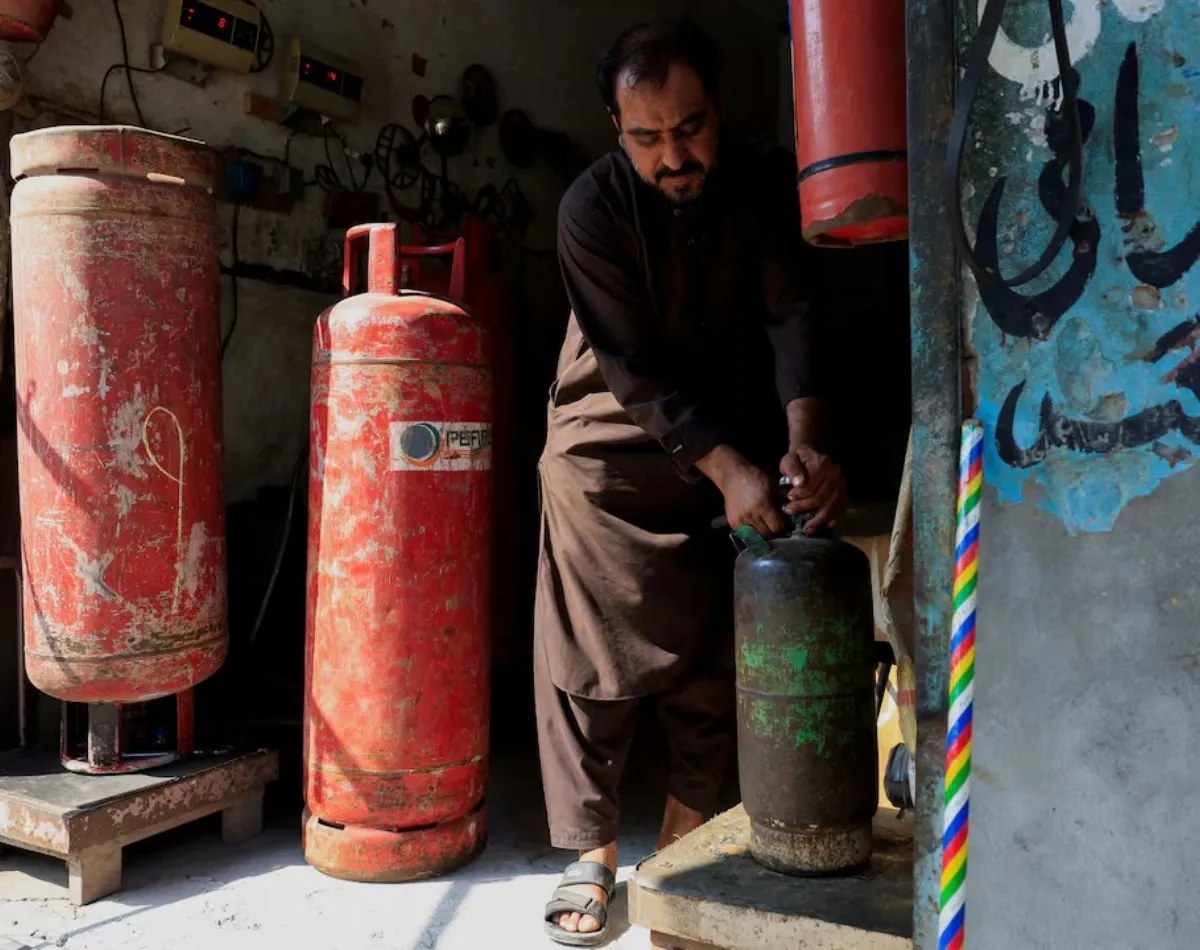
Higher petrol, diesel and home heating costs are among the biggest contributors to the increased expenses faced by American families, according to Zandi.
Figures cited by Newsweek put the average US petrol price at approximately $4.34 per gallon, compared with $2.98 before the conflict began on February 28. Diesel prices were reported at around $6.28 per gallon, while jet fuel prices had nearly doubled.
Zandi estimated that higher transport fuel and home heating costs had added approximately $1,100 to the average household’s expenses since the conflict began.
Separate research from Brown University’s Watson School of International and Public Affairs estimated that American consumers had paid an additional $133.3 billion because of higher petrol and diesel prices. That figure translates to approximately $1,018 per US household, according to the researchers’ calculations.
Energy market analysts have also warned that fuel prices may take time to return to earlier levels, even if shipping through the Strait of Hormuz resumes normally. The waterway is a key route for global energy supplies, making disruptions there a significant concern for international markets.
Higher Interest Rates Add to Financial Pressure
The conflict’s impact on energy prices has also contributed to concerns about inflation and monetary policy. Higher energy costs can push up prices across the economy, potentially complicating the Federal Reserve’s efforts to control inflation.
According to the figures cited in the report, the Federal Reserve raised its benchmark interest rate in September from 3.5% to 3.75%, marking its first increase in three years.
Mortgage borrowing costs have also risen. Freddie Mac figures cited by Newsweek showed that the average rate on a 30-year fixed mortgage reached 7.40% for the week ending October 8, compared with 6.30% a year earlier.
Zandi estimated that higher interest rates had added around $540 to the average household’s financial burden. He attributed a further $360 per household to the direct military costs of the conflict, based on Pentagon figures.
Together with increased energy expenses, these costs form the basis of his estimate that the war has cost the average American household nearly $2,000.
Harvard Kennedy School war-budgeting expert Linda Bilmes has separately warned that the total cost of the conflict could eventually approach $1 trillion. Such a figure could include equipment repairs, maintenance, replacement costs and other expenses extending beyond current military operations.
Conflict Also Carries a Human Cost
Alongside its economic consequences, the conflict has resulted in military casualties and civilian deaths.
Figures cited by Newsweek from the US Defense Casualty Analysis System indicated that 21 American service members had been killed and 865 wounded in operations related to the war as of the report’s stated update.
The full number of Iranian civilian deaths remained unclear in the report. However, the US-based Human Rights Activists News Agency reported in April that at least 1,701 civilians had been killed in Iran, including 254 children.
The figures underline the wider consequences of the conflict, extending beyond military budgets and the financial pressure experienced by households.
Trump Defends the War as Public Concerns Grow
The economic impact of the conflict has become a subject of political debate as the United States approaches its November midterm elections.
A Pew Research Center survey cited by Newsweek found that 65% of Americans disapproved of President Donald Trump’s handling of the war, while 33% approved. These figures reflect the views recorded in that survey and may not represent public opinion at a later date.
Zandi has argued that the additional expenses have absorbed a substantial portion of the income gains enjoyed by American households over the preceding eight months.
Trump, meanwhile, has defended the military campaign as necessary to prevent Iran from acquiring nuclear weapons. He has described the increase in fuel prices as “a small price to pay” for national and global security.
The administration faces the challenge of addressing public concerns over living costs while maintaining its stated security objectives. Democrats are also seeking to make inflation and household expenses important issues in the upcoming congressional elections.
Economic Impact Remains Uncertain
The ultimate financial cost of the conflict will depend on its duration, developments in global energy markets, military spending and the pace at which shipping routes return to normal.
Zandi’s $265 billion estimate represents a broad assessment of the economic burden on American households, rather than direct government spending alone. Other estimates focus on specific categories, such as fuel expenses or military operations, and therefore measure different aspects of the conflict.
With energy prices and borrowing costs remaining central concerns, the war’s effect on household finances is likely to remain an important issue in the United States as the November elections approach.
Iran War Costs US Households Nearly $2,000 Each, Economist Estimates $265 Billion Nationwide
TheFearless
13 Oct 2026 · 10:20 PM IST

Related Stories