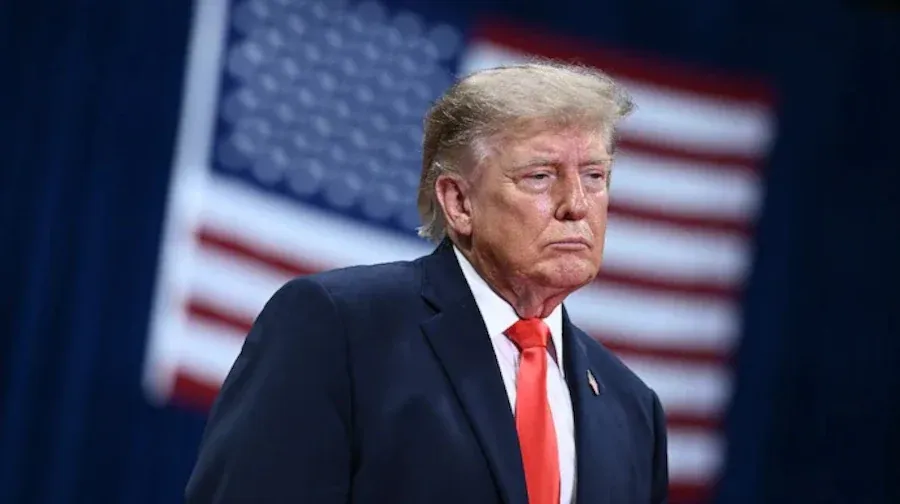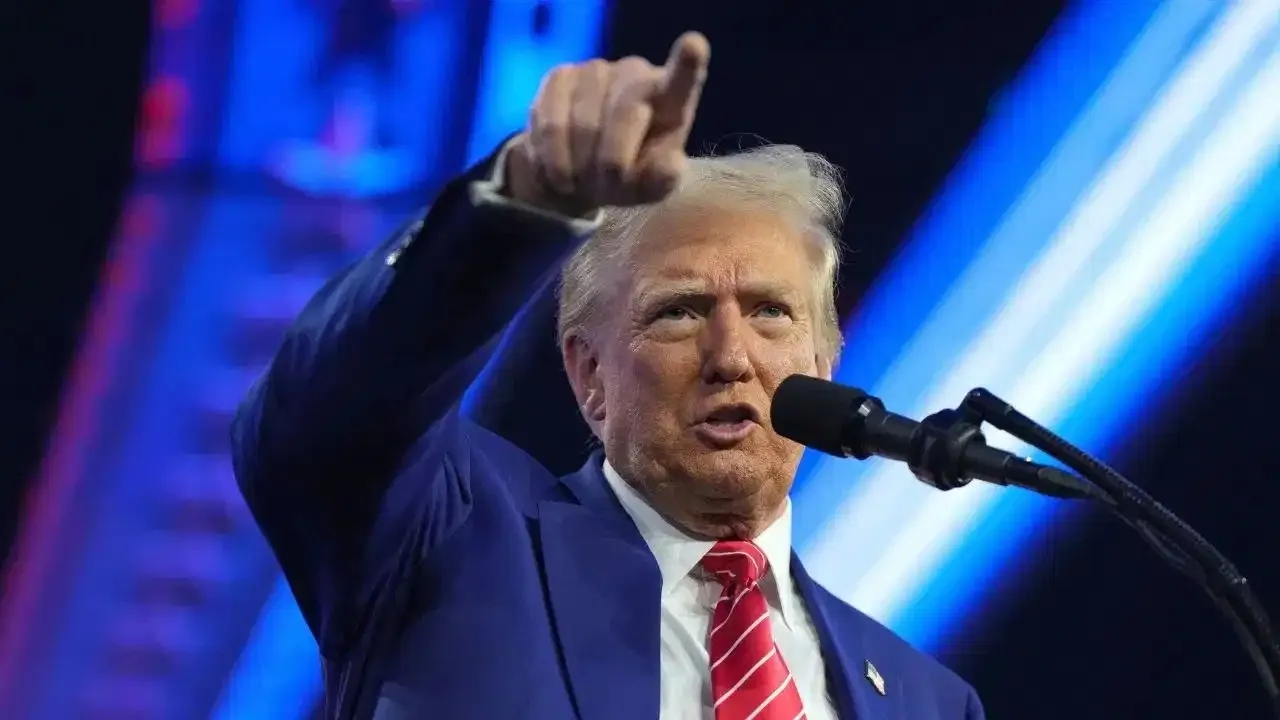
US President Donald Trump has repeatedly tried to influence political developments beyond America, openly endorsing candidates and political parties in other countries. His approach has included public statements of support, trade pressure and warnings about economic consequences. However, election results over the past two years have raised questions about how much influence his backing can have on foreign voters. According to the figures cited in the report, Trump supported political candidates or groups in eight countries, but his preferred side lost in six of them. The countries mentioned include Canada, Australia, Romania, Germany, Hungary, Brazil, Japan and Honduras.
Six Countries Deliver Setbacks
The report identifies Canada, Australia, Romania, Germany, Hungary and Brazil as countries where Trump-backed candidates or political groups failed to secure the desired outcome. In Canada, Conservative leader Pierre Poilievre lost to Liberal leader Mark Carney in the April 2025 election. In Australia, Prime Minister Anthony Albanese’s Labor Party won the May 2025 election, defeating the conservative opposition led by Peter Dutton. These results fuelled debate over whether voters were rejecting the political approach associated with Trump, although domestic issues also played important roles in each election.
Defeats in Romania and Germany
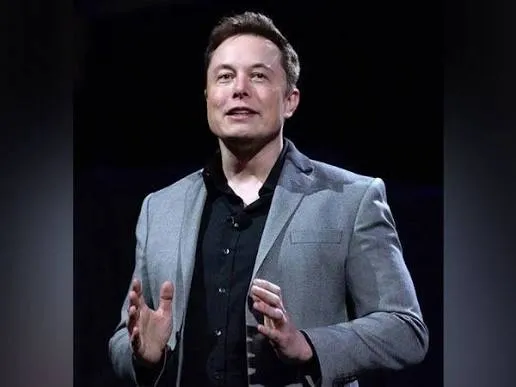
In Romania, nationalist candidate George Simion lost the presidential election in May 2025 to Nicușor Dan, who secured approximately 54% of the vote, according to the report. In Germany’s February 2025 federal election, the far-right Alternative for Germany (AfD), led by Alice Weidel, received 20.8% of the vote and finished second. The CDU/CSU alliance led by Friedrich Merz secured the largest share. Trump allies, including Elon Musk, had publicly supported the AfD, but that backing did not make it the largest political force in the election.
Hungary and Brazil Add to the Setbacks
In Hungary, Prime Minister Viktor Orbán lost the April 2026 election to the opposition led by Péter Magyar, despite receiving Trump’s support. US Vice President JD Vance also visited Hungary before the vote. In Brazil, the report says the Trump administration supported efforts linked to the Bolsonaro family’s political comeback. However, President Luiz Inácio Lula da Silva reportedly defeated Flávio Bolsonaro in the presidential election held on October 25, 2026. These outcomes have added to questions about the limits of Washington’s ability to shape political choices in other countries.
Japan and Honduras See Different Outcomes
Japan and Honduras were the two countries where Trump-backed candidates reportedly won. In Japan, Prime Minister Sanae Takaichi’s party secured a major victory in the February 2026 election. Trump publicly endorsed Takaichi and her alliance shortly before polling, praising her leadership and highlighting US-Japan trade and security ties. In Honduras, Trump supported presidential candidate Nasry Asfura shortly before the election and raised the possibility of consequences for US economic assistance if he lost. Election authorities declared Asfura the winner on December 24, 2025.
Does This Mean America Is Losing Influence?
The results raise questions about whether a public endorsement from the US president still carries the same political weight abroad. However, election outcomes cannot be explained by foreign support alone. Local economic conditions, national identity, leadership records and domestic political disputes often play a larger role in determining how people vote. The defeats of several Trump-backed candidates suggest that his support does not guarantee electoral success. But the results alone are not enough to establish that American global influence is declining. They instead highlight the limits of using presidential endorsements and economic pressure to influence voters in other democracies.