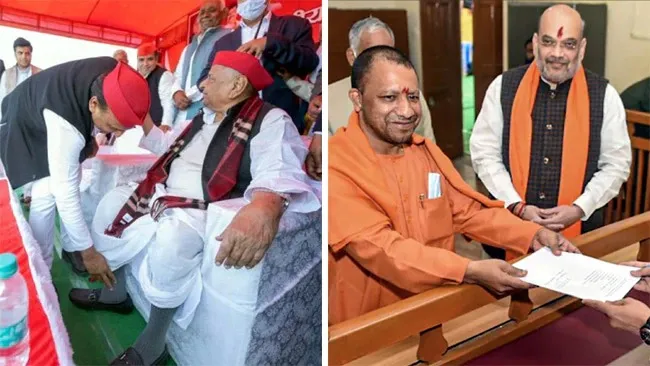
Samajwadi Party chief Akhilesh Yadav has sparked a fresh political debate in Uttar Pradesh after indicating that he may not contest the 2027 Assembly elections. He said that he becomes Chief Minister when he does not contest Assembly elections. He also pointed to his previous term, when he entered the Chief Minister's office after the Samajwadi Party won a majority in 2012, despite him not contesting an Assembly seat. His statement has raised questions about whether he is planning a bigger political strategy or avoiding a direct electoral contest with Chief Minister Yogi Adityanath and the BJP. The debate has gained attention because Akhilesh recently challenged Yogi to contest from Ayodhya but later suggested that SP leader Pawan Pandey was enough to take on the BJP there.
Focus on All 403 Seats
One possible reason behind Akhilesh's decision is that he may not want to limit himself to a single constituency. Uttar Pradesh has 403 Assembly seats, and contesting from one seat would require him to spend considerable time managing local campaigns, meetings and political equations. If he stays out of the Assembly contest, he can travel across the state and campaign for party candidates. He can also focus on strengthening the PDA strategy, which brings together backward classes, Dalits and minorities. Akhilesh has previously said that his focus is not limited to a few constituencies but extends to all 403 seats. However, the BJP could also use his decision to question his willingness to face voters directly.
Yogi's Ayodhya Challenge
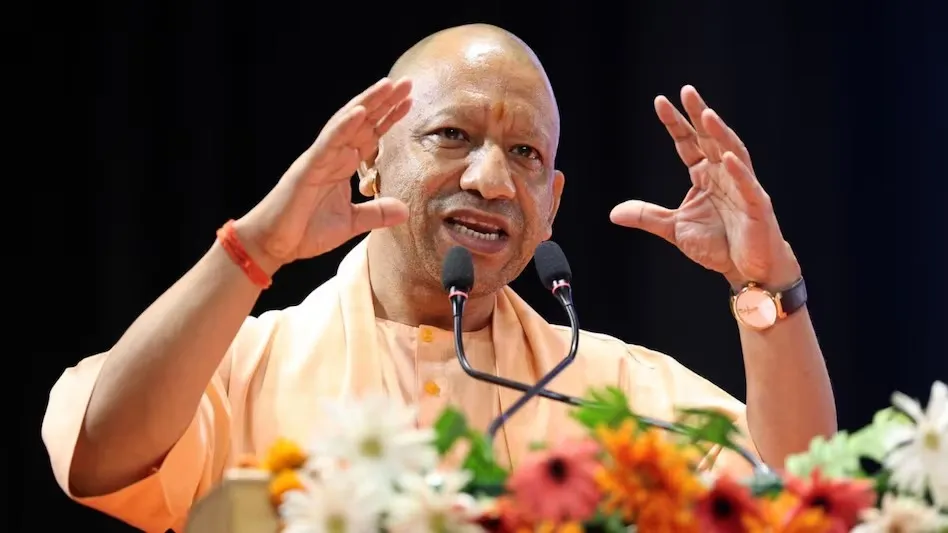
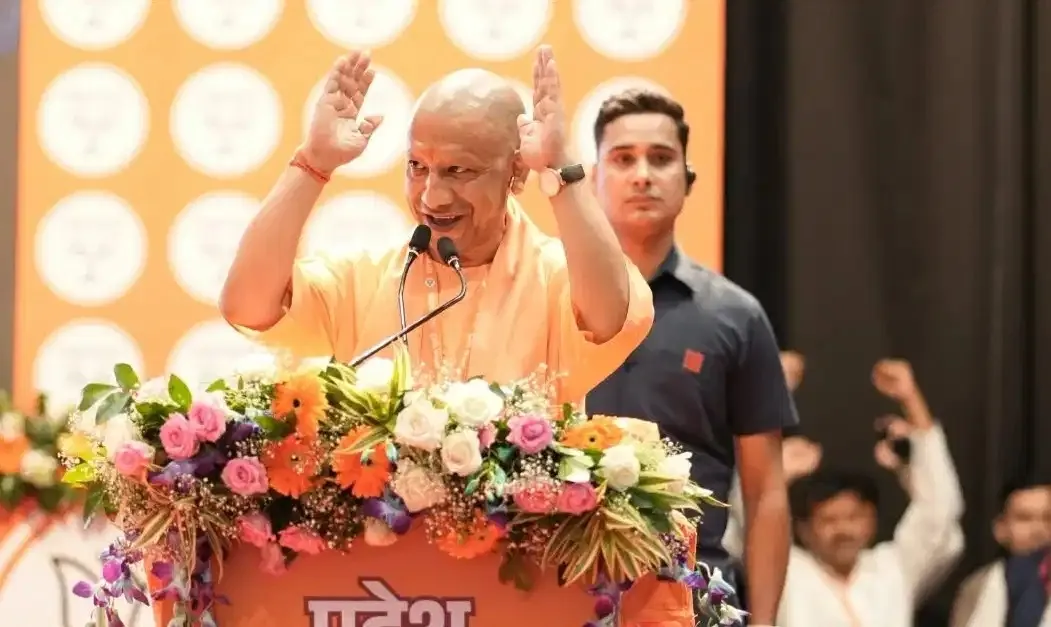
The political exchange over Ayodhya has added another layer to the controversy. On October 8, Akhilesh challenged Yogi Adityanath to contest the Assembly election from Ayodhya. Yogi accepted the challenge and invited Akhilesh to contest from the same seat. However, Akhilesh named Pawan Pandey, saying that the local SP leader was enough to take on the BJP. The Samajwadi Party also draws confidence from its victory in the Faizabad Lok Sabha constituency in the 2024 general elections. Akhilesh may be trying to use that result to strengthen his party's position in the region. At the same time, if Yogi contests the election while Akhilesh stays away, the BJP could portray it as the SP chief avoiding a direct fight.
Mulayam Singh's Old Formula
Akhilesh has also referred to the political example of his father and Samajwadi Party founder Mulayam Singh Yadav. In 2003, Mulayam became Chief Minister of Uttar Pradesh for the third time while serving as a Lok Sabha MP from Sambhal. He did not win an Assembly election before taking office. Under constitutional rules, he later had to become a member of the state legislature within six months. In January 2004, he contested a by-election from the Gunnaur Assembly seat and won by a huge margin. Akhilesh followed a similar route in 2012. He was a Lok Sabha MP when the SP secured a majority, and he became Chief Minister without contesting an Assembly seat. He later entered the Legislative Council.
Mayawati and Nitish Kumar Examples
Akhilesh is not the only leader to have become Chief Minister without first winning an Assembly election. Mayawati became Uttar Pradesh Chief Minister in 1995 while serving as a Rajya Sabha MP. After the BSP won a full majority in 2007, she again became Chief Minister without contesting an Assembly seat and later entered the Legislative Council. Bihar Chief Minister Nitish Kumar has also held the post through membership of the Legislative Council. Under the Constitution, a person can become Chief Minister without being a member of the state legislature, but must join either the Assembly or Legislative Council within six months. These examples show that contesting an Assembly election is not the only route to the Chief Minister's office. However, the political conditions of every election are different.
A Big Test Before 2027
Akhilesh's possible decision has both advantages and risks. If he does not contest, he can devote more time to campaigning across Uttar Pradesh, strengthening candidates and challenging the Yogi government. But the BJP could turn the decision into an election issue and question why a leader aspiring to become Chief Minister is not willing to contest directly. There may also be no direct electoral contest between Yogi and Akhilesh if the two leaders choose different political routes. Mulayam Singh and Mayawati have shown that becoming Chief Minister without contesting an Assembly election is possible. Now Akhilesh appears to be considering a similar path. Whether this strategy helps him strengthen the SP across the state or gives the BJP a fresh opportunity to attack him will be one of the major questions in the 2027 Uttar Pradesh elections.