High Speed Train Safety Records : High-speed trains are considered one of the fastest and most convenient forms of modern transportation. However, the recent railway accident in Spain has once again raised questions about their safety. Several countries around the world have been operating bullet trains for decades. Countries such as Japan, France, and South Korea are reported to have relatively strong safety records in high-speed rail operations. Meanwhile, major accidents in Spain and Germany have claimed the lives of many passengers. Against this backdrop, it is worth examining which country has the largest high-speed rail network and where accidents have resulted in the highest number of fatalities.
Why Japan’s Bullet Train Safety Record Stands Out
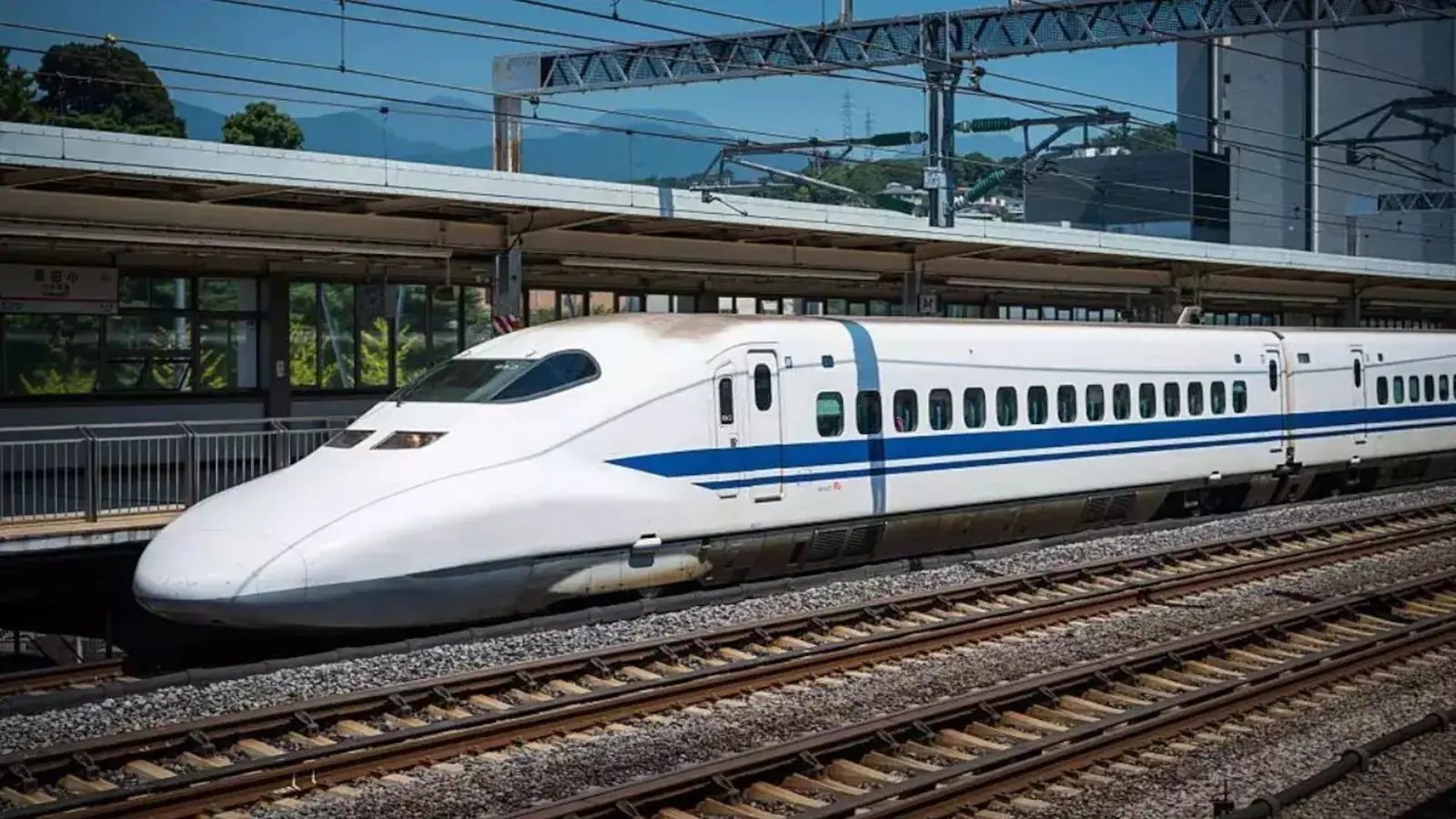
The world's first bullet train service began in Japan in 1964. Since then, Japan's high-speed rail network has transported billions of passengers. According to available information, Japanese bullet trains have carried more than 6.5 billion passengers without recording a single passenger fatality in operational accidents. South Korea and France are also reported to have strong safety records in this regard. South Korea introduced its high-speed train service on April 1, 2004, while France began operating high-speed rail services on September 27, 1981.
Train Accidents in Spain Raise Safety Concerns
Spain's record regarding passenger fatalities in high-speed train accidents has been described as concerning. According to the report, more than 195 people have lost their lives in accidents involving bullet trains in the country. Spain's high-speed rail network began operations in April 1992 and currently stretches approximately 4,000 kilometres. The report mentions an accident in January that claimed 46 lives, while a 2013 railway accident killed 80 people. The recent incident has once again increased concerns about railway safety across Europe.
Major High-Speed Rail Accidents in Germany and China
Around 101 passenger fatalities have reportedly occurred in accidents involving high-speed trains in Germany. The country's high-speed rail services began in June 1991, and its network is approximately 1,637 kilometres long. Meanwhile, China has rapidly expanded its high-speed rail network over the past few years. Its first high-speed rail service began operating in August 2008. Today, China's network extends over 50,000 kilometres. According to the report, approximately 40 people have died in accidents involving high-speed trains in China.
Which Country Has the Largest Rail Network?
China ranks first globally in terms of high-speed rail network length. According to the available figures, the networks in different countries are as follows:
- China – 50,400 kilometres
- Spain – 3,993 kilometres
- Japan – 3,146 kilometres
- France – 2,735 kilometres
- Germany – 1,637 kilometres
- Türkiye – 1,232 kilometres
- Finland – 1,120 kilometres
- Italy – 938 kilometres
- Sweden – 902 kilometres
- South Korea – 873 kilometres
- United States – 735 kilometres
- Saudi Arabia – 449 kilometres
Railway Accident Statistics Across Europe Raise Concerns
According to data from the European Union Agency for Railways, the highest number of railway accident fatalities in Europe between 2015 and 2024 was recorded in the countries listed in the report. Germany reported 1,363 deaths, Hungary 738, Romania 736, and France 630. However, these figures cover all types of railway accidents and are not limited to high-speed trains. In Italy, two deaths have been reported in high-speed train accidents. India is also working on the Mumbai-Ahmedabad bullet train corridor. The experiences of other countries highlight the importance of continuously strengthening safety standards, technological monitoring, and accident prevention systems alongside the expansion of high-speed rail networks.
Bullet Train Speed Comes with Safety Concerns: How Do Japan, Spain and Other Countries Compare?
TheFearless
30 Oct 2026 · 7:25 PM IST
Related Stories