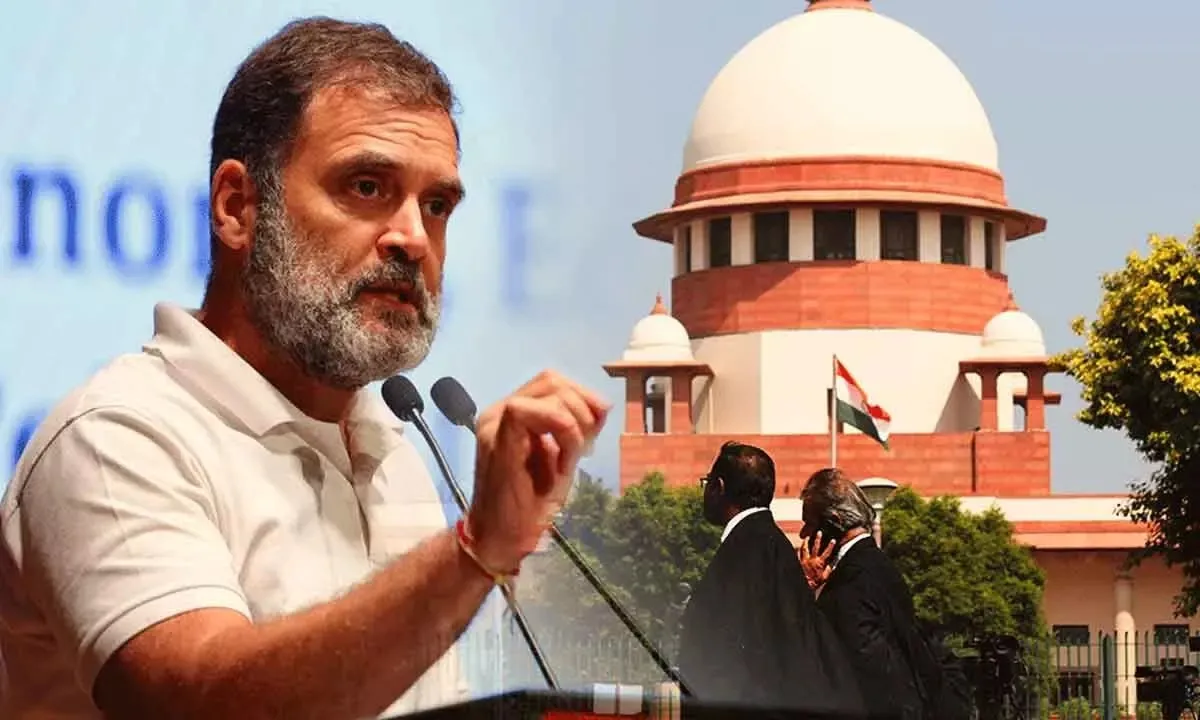
The Supreme Court has questioned Congress leader Rahul Gandhi over his conduct during the October 12 protest against the Election Commission of India. During the hearing on petitions challenging restrictions on protests, the court expressed concern over the events and said Rahul Gandhi would have to explain his conduct. Chief Justice Surya Kant raised questions about the march and the disorder surrounding it. The hearing has brought the protest and restrictions on demonstrations back into the political spotlight.
Court Issues Notice on Opposition Leaders’ Petition
The Supreme Court issued notices on petitions filed by Rahul Gandhi, Digvijaya Singh and AIMIM chief Asaduddin Owaisi. The petitions concern restrictions on protests and related issues. During the hearing, Solicitor General Tushar Mehta presented the government’s position and said the reasons behind its decision had been explained in an affidavit. Senior advocate Kapil Sibal informed the court that he was appearing for Rahul Gandhi. The court proceedings are expected to address the legal questions surrounding the restrictions.
Police Ordered to Preserve All CCTV Footage
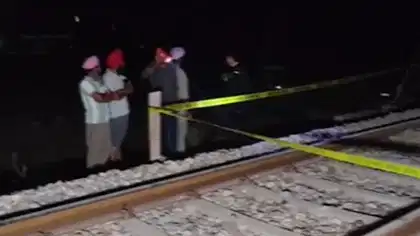
The Supreme Court directed police officials to preserve all CCTV footage related to the October 12 protest. The footage could be important in establishing what happened during the demonstration and may be presented as evidence before the court. The court also said private parties could preserve relevant videos. The direction ensures that potentially important visual evidence remains available while the legal proceedings continue.
Supreme Court Questions Jantar Mantar Decision
The court also questioned the government over the decision to denotify Jantar Mantar as a designated protest site. It asked whether the decision followed oral observations made by the Supreme Court or resulted from an independent assessment of the location’s suitability for public demonstrations. The question puts the government’s reasoning under scrutiny as the court examines the restrictions imposed on protests and the availability of designated spaces for demonstrations.
Government Defends Its Decision Before the Court
Solicitor General Tushar Mehta told the Supreme Court that the government’s decision was not based on the court’s observations. He said a committee had been formed much earlier and had submitted a detailed report. The government maintained that the reasons for its action were included in its affidavit. The court is examining these arguments alongside the petitions challenging restrictions on protests, with both sides presenting their positions during the hearing.
Separate Hearings Planned for Different Petitions
During the proceedings, the court was informed that petitions related to the Special Intensive Revision (SIR) would be heard together, while petitions concerning restrictions on protests would be considered separately. The hearing is significant for opposition leaders challenging protest restrictions and for the government defending its decisions. The Supreme Court’s questions about Rahul Gandhi’s conduct, its directions on preserving footage and its examination of the Jantar Mantar decision remain key developments in the case.