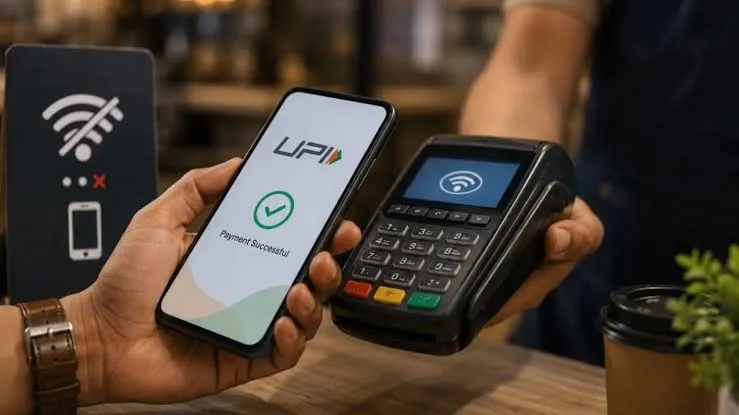
UPI Real Time Payment System : Whether paying at a tea stall, buying vegetables, shopping or paying an electricity bill, mobile payments have become commonplace across India. By scanning a QR code displayed at a shop, money can move from one bank account to another within seconds. India’s digital payment system, the Unified Payments Interface (UPI), has gained international recognition. According to Finance Minister Nirmala Sitharaman, UPI has become the world’s largest real-time payment system. It now processes billions of transactions every month, demonstrating the rapid growth of digital payments across India.
Nirmala Sitharaman Highlights UPI’s Growing Success
Finance Minister Nirmala Sitharaman made the statement on October 25 after inaugurating the Reserve Bank of India’s new data centre and cybersecurity training institute in Bhubaneswar, Odisha. Highlighting UPI’s achievements, she said it had become the world’s largest real-time payment system. This allows people to make instant payments using their mobile phones, while merchants receive money directly into their bank accounts. The system has made everyday transactions easier for ordinary consumers and small businesses alike.
UPI Records 24,162 Crore Transactions in One Year
According to figures released by the government in August 2026, UPI processed a total of 24,162 crore transactions during the 2025–26 financial year. The total value of these transactions was approximately ₹314 lakh crore. In July 2026, UPI recorded 2,366 crore transactions worth ₹29.88 lakh crore. These figures illustrate the growing reach of digital payments in India. People now use UPI for everything from small everyday purchases to larger financial transactions.
UPI Was First Launched in 2016
UPI was launched in 2016, when digital payments were far less common than they are today. Gradually, more people adopted the system, and it has now become part of everyday life. Previously, transferring money often required entering lengthy bank account details or carrying cash. Today, payments can be made using a UPI ID, mobile number or QR code. This convenience has simplified transactions for both shopkeepers and customers.
UPI Expands Its Reach to Eleven Countries
UPI is no longer limited to India. According to the available information, it is available in 11 countries, including the United Arab Emirates, France, Bhutan, Sri Lanka, Nepal, Singapore, Mauritius, Qatar, Cambodia, Greece and the Maldives. The availability and arrangements for using UPI may differ from one country to another. Its growing international presence is giving Indian travellers and businesses additional digital payment options while strengthening the global recognition of India’s payment infrastructure.
Why UPI Has Become So Popular
UPI’s popularity is largely driven by its speed and ease of use. Customers can complete payments within seconds, while shopkeepers face fewer difficulties with handling cash and providing change. Since transactions are linked directly to bank accounts, keeping track of payments is also easier. Adoption has expanded rapidly among small businesses and larger merchants alike. The next major challenge is to keep the system secure and protect users against cyber fraud. UPI’s growing popularity has helped establish India as a major player in the global digital payments landscape.
UPI Becomes the World’s Largest Real-Time Payment System, Recording 24,162 Crore Transactions in One Year
TheFearless
26 Oct 2026 · 6:00 PM IST
Related Stories